I turn manual, 3 AM-breaking deployments into 1-min automated pipelines with AWS + Ansible + Terraform.
No more SSH-ing into prod. Featured: 15-Module Ansible Lab with real terminal. Training 30+ African DevOps engineers. Open to Remote Roles.
My journey in tech started 15 years ago running a high-pressure cybercafe. That experience taught me a fundamental truth: real users don't care about your stack—they care that the system works. Downtime = lost revenue immediately.
I moved from physical hardware to cloud, obsessed with one thing: Reliability. Today I help teams stop SSH-ing into prod. I build 1-min automated pipelines: Lint → Dry-Run → Deploy with GitHub Actions + Ansible + Terraform.
My approach:
Efficiency: Terraform + Ansible slash setup from hours to minutes. Cut deployment time by 60%.
Stability: 6 checks before prod — yamllint, ansible-lint, shellcheck, syntax-check, --check --diff. No more 3 AM firefights.
Documentation: Mentor-grade runbooks that cut new member ramp-up by 30%.
Beyond engineering, I co-mentor 30+ engineers at DevOps Micro Internship (DMI) across Africa and audited 40+ IaC repos for production-grade quality.
If your team needs an engineer who can architect, automate, and document production infrastructure that scales without the stress — I am open to Remote roles.
⚡
Lint → Dry-Run → DeployTemplate reused as team standard
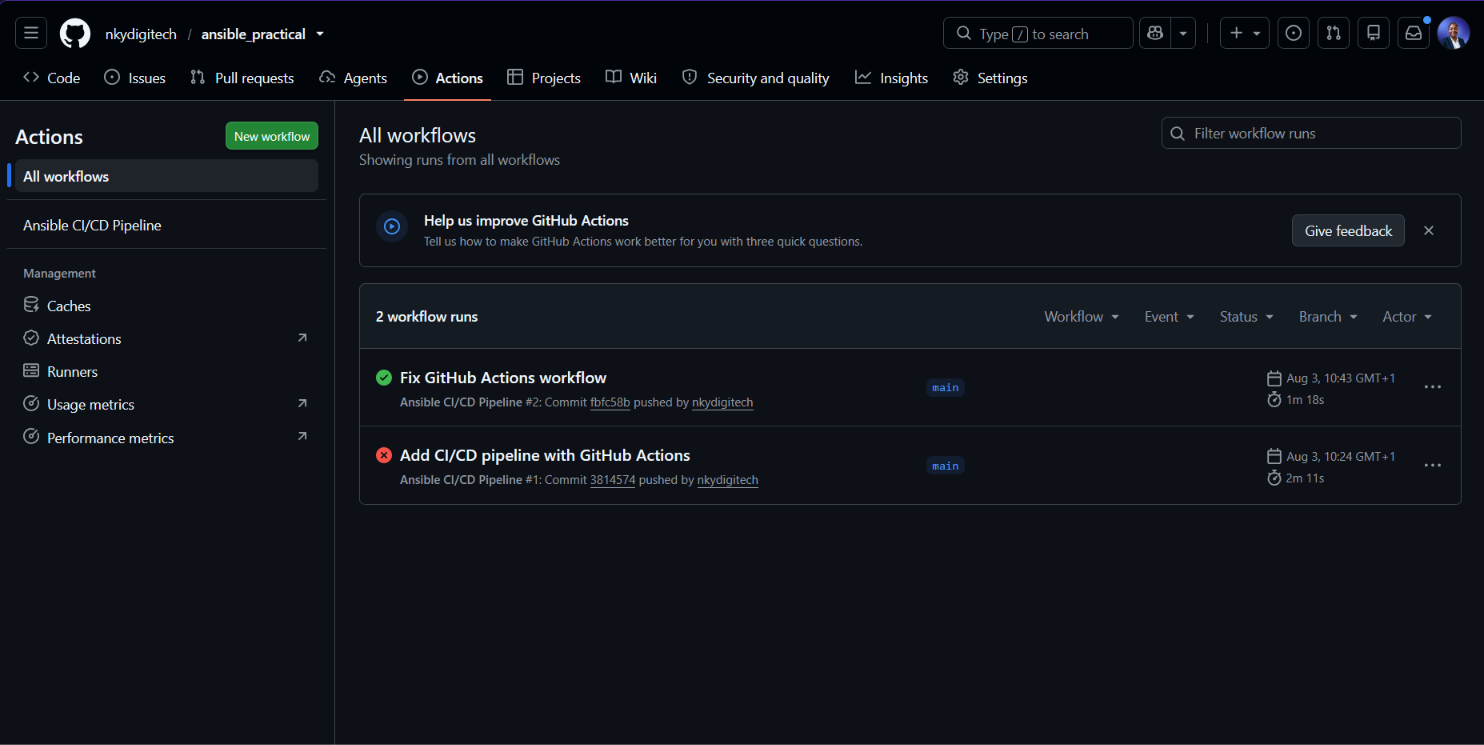
Challenge: Manual SSH deploys, no checks, 3 AM firefights. Solution: Built GitHub Actions pipeline with 6 guards: yamllint, ansible-lint, shellcheck, --syntax-check, --check --diff, auto-deploy. Template now reused as team standard. Result: Run #1 failed at 2m 11s catching errors before prod. Run #2 passed at 1m 18s. Zero SSH.
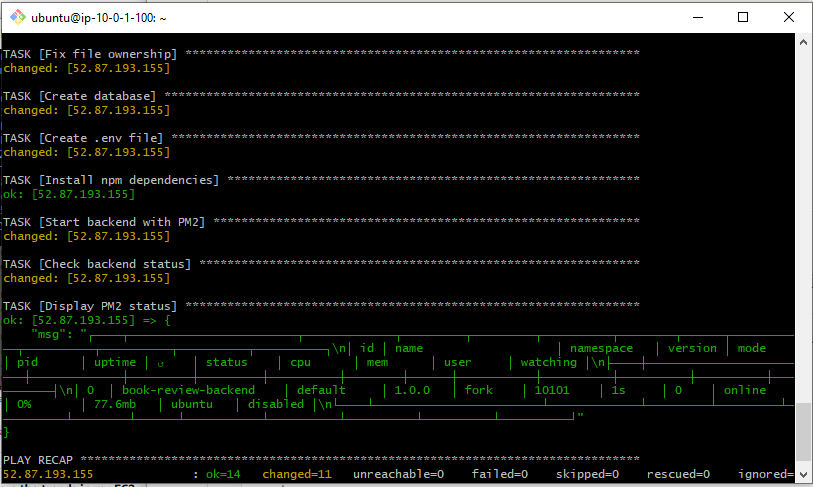
✅ Real Terminal Proof✅ 1m 18s Automated✅ No SSH Needed
Challenge: Manual provisioning causing environment drift and hours of effort. Solution: Modular IaC with Terraform + Ansible for full stack (VPC, Subnets, ALB, RDS). Result: Cut config time by ~60%, 100% consistency, zero drift.
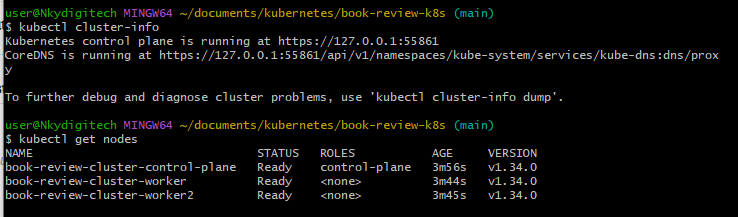
Challenge: High availability during traffic spikes. Solution: 3-node cluster (1 control + 2 workers), pod scheduling, service routing. Result: Resilient, self-healing, auto-scaling.